
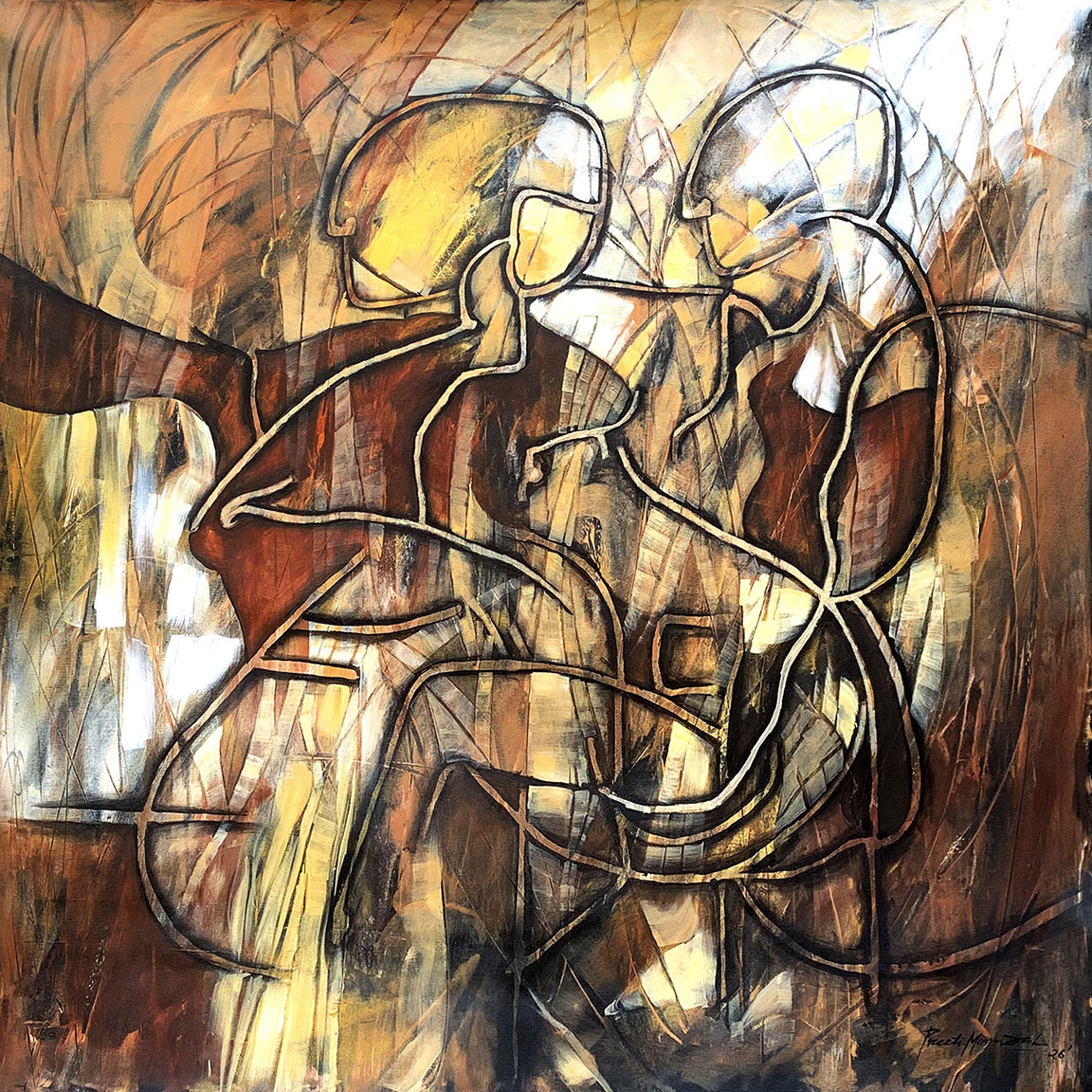
When people begin exploring the art world, one of the most common questions they ask is about the difference between original art and print art
When people begin exploring the art world, one of the most common questions they ask is about the difference between original art and print art. While both forms are widely appreciated, they represent completely different artistic concepts, values, and collecting experiences.
Art collectors, decorators, and enthusiasts often find themselves deciding whether to purchase original art or print art. Each type has its own appeal, price point, and cultural significance. Understanding these differences helps buyers make confident choices and appreciate the work they own.
In simple terms, original art refers to a one-of-a-kind creation made directly by the artist. It might be a painting, drawing, sculpture, or mixed-media work. On the other hand, print art is a reproduction of an artwork that can be produced multiple times.
Understanding the Basics of Original Art and Print Art
Both original art and print art have their own value in the art world. However, they differ in creation, uniqueness, price, and collectability.
- Original art is created directly by the artist.
- Print art is reproduced using printing techniques.
- Original artwork is unique and one-of-a-kind.
- Print art can exist in multiple copies.
What is Original Art?
Original art is a unique piece created directly by the artist using traditional or modern techniques. It exists as a single physical artwork, meaning no identical copy exists.
Common examples of original artwork include:
- Oil paintings
- Acrylic paintings
- Watercolor artwork
- Charcoal drawings
- Sculptures
- Mixed media artwork
Key characteristics of original art include:
- Uniqueness – only one version exists.
- Handcrafted textures and brush strokes.
- Direct involvement of the artist.
- Higher artistic and financial value.
What is Print Art?
Print art refers to reproduced versions of an artwork created through printing techniques. While the design may originate from an artist, multiple copies can be produced.
Types of print art include:
- Lithographs
- Screen prints
- Digital prints
- Giclée prints
- Poster prints
Prints are usually produced in two main ways:
- Limited Edition Prints – Only a fixed number of copies are produced.
- Open Edition Prints – Prints can be reproduced without a limit.
The Creative Process Behind Original Art and Print Art
The creative process is one of the biggest differences between original art and print art. Artists may spend weeks or even months creating a single original artwork.
Print art usually begins with an original piece and is later reproduced using different printing methods.
Techniques Used in Original Art
Artists use various techniques when creating original artwork.
- Oil painting
- Acrylic painting
- Watercolor painting
- Pencil drawing
- Charcoal sketching
- Ink illustration
- Sculpture
- Mixed media art
Because artists directly interact with materials, each artwork develops its own texture, depth, and character.
Printmaking Methods
Print art is created through specialized printing techniques designed to reproduce artwork.
- Lithography
- Screen printing
- Etching
- Giclée printing
- Offset printing
Some prints are signed and numbered by the artist, which increases their collectability.
Key Differences Between Original Art and Print Art
The differences between original art and print art can be understood through several factors:
- Uniqueness: Original art is one-of-a-kind, while prints are reproduced.
- Price: Original artwork usually costs more.
- Availability: Prints are widely available.
- Texture: Original paintings show brush strokes and paint layers.
- Investment: Original art often has stronger long-term value.
Authenticity and Ownership
Authenticity is a key factor when buying original artwork. When someone purchases original art, they own a unique creation that directly reflects the artist’s work.
Collectors should check the following when purchasing artwork:
- Artist signature
- Certificate of authenticity
- Gallery documentation
- Edition numbers for prints
Value and Investment Potential
Original artwork generally holds higher investment potential because of its rarity and artistic significance.
Factors that influence the value of original art include:
- Artist reputation
- Artwork rarity
- Historical significance
- Market demand
Print art usually has lower resale value, although limited edition prints may still increase in price.
Availability and Accessibility
Print art makes artwork accessible to a wider audience. Many people choose prints for decoration or interior design.
Print art is commonly used for:
- Home decoration
- Office interiors
- Gift items
- Affordable art collections
Pros and Cons of Original Art and Print Art
Advantages of Original Art
- Unique and one-of-a-kind
- Higher long-term value
- Strong emotional connection
- Prestige of owning authentic artwork
Advantages of Print Art
- More affordable
- Widely available
- Easy to replace if damaged
- Flexible decorative options
How to Identify Original Art and Print Art
Collectors can use simple techniques to identify whether a piece is original or printed.
- Check for visible brush strokes and paint texture.
- Look for pencil marks or artistic corrections.
- Use magnification to detect printer dot patterns.
- Verify artist signatures and certificates.
Choosing Between Original Art and Print Art
Your choice between original art and print art depends on your purpose and budget.
- Choose original art if you want uniqueness and investment value.
- Choose print art if you want affordable decoration.
- Original art works well as a centerpiece.
- Prints allow experimentation with multiple styles.